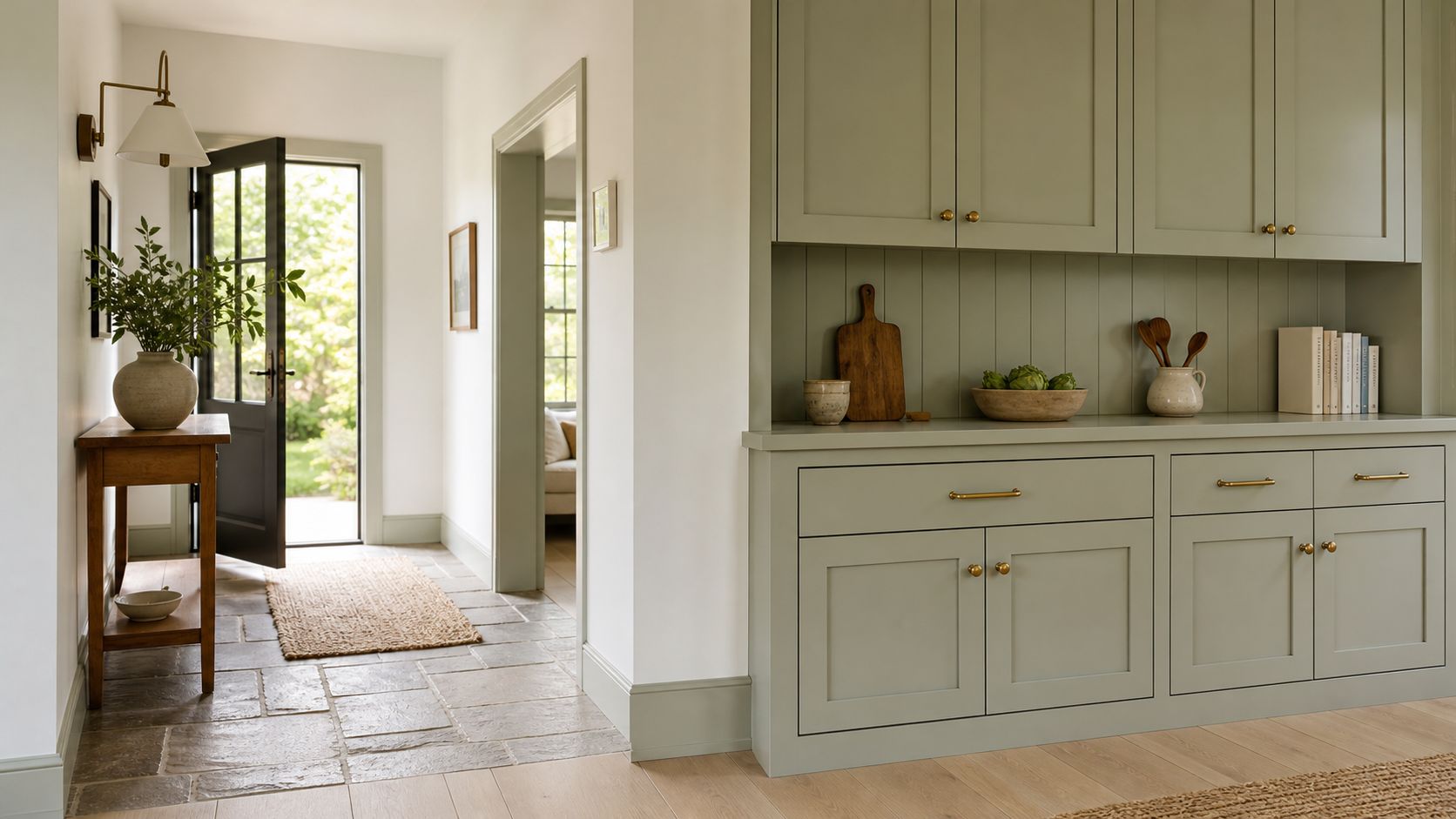
How do I choose wall colours around the flooring I have?
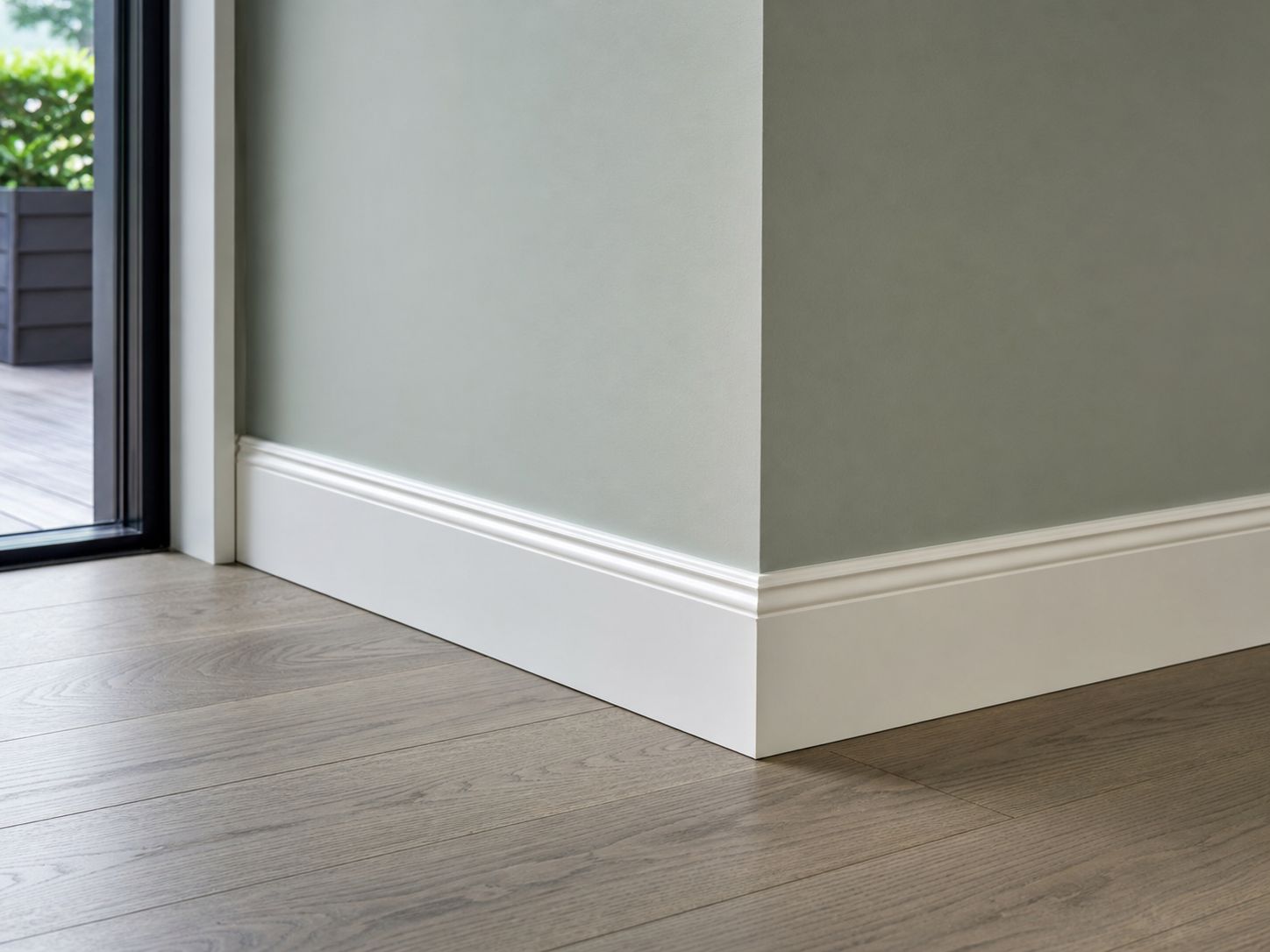
Flooring is the largest fixed colour in most rooms, and its undertone shows in every wall colour beside it. Identify whether the floor leans warm (orange, yellow, red) or cool (grey, blue, green), then choose a wall colour that sits comfortably with that. Whatever you choose, good wall painting Geelong depends on washing, filling, sanding and priming first, because preparation decides how the colour looks once it is on.
| Floor | Undertone | Wall colours that tend to work | Watch for |
|---|---|---|---|
| Timber, warm-toned | Warm | Warm neutrals, creamy whites, muted greens | Cool whites can look stark; very yellow walls can look heavy |
| Timber, grey-brown or whitewashed | Neutral to cool | Neutral whites, soft greys, muted blue-greens | Too much warmth can look dated |
| Grey flooring | Cool | Neutral and cool-leaning colours; warm neutrals for contrast | Cool wall beside cool floor can feel stark |
| Tiles | Varies | Match the tile's undertone, check against the grout | Tiles look different under lamps than in the shop |
| Carpet | Varies | Colours that share the carpet's undertone | Hold the sample against the carpet in the room |
| Dark floors | Varies | Lighter walls to balance, or a tonal deep scheme | Light walls can look very stark against dark floors |
How do I match walls to kitchen cabinets and benchtops?
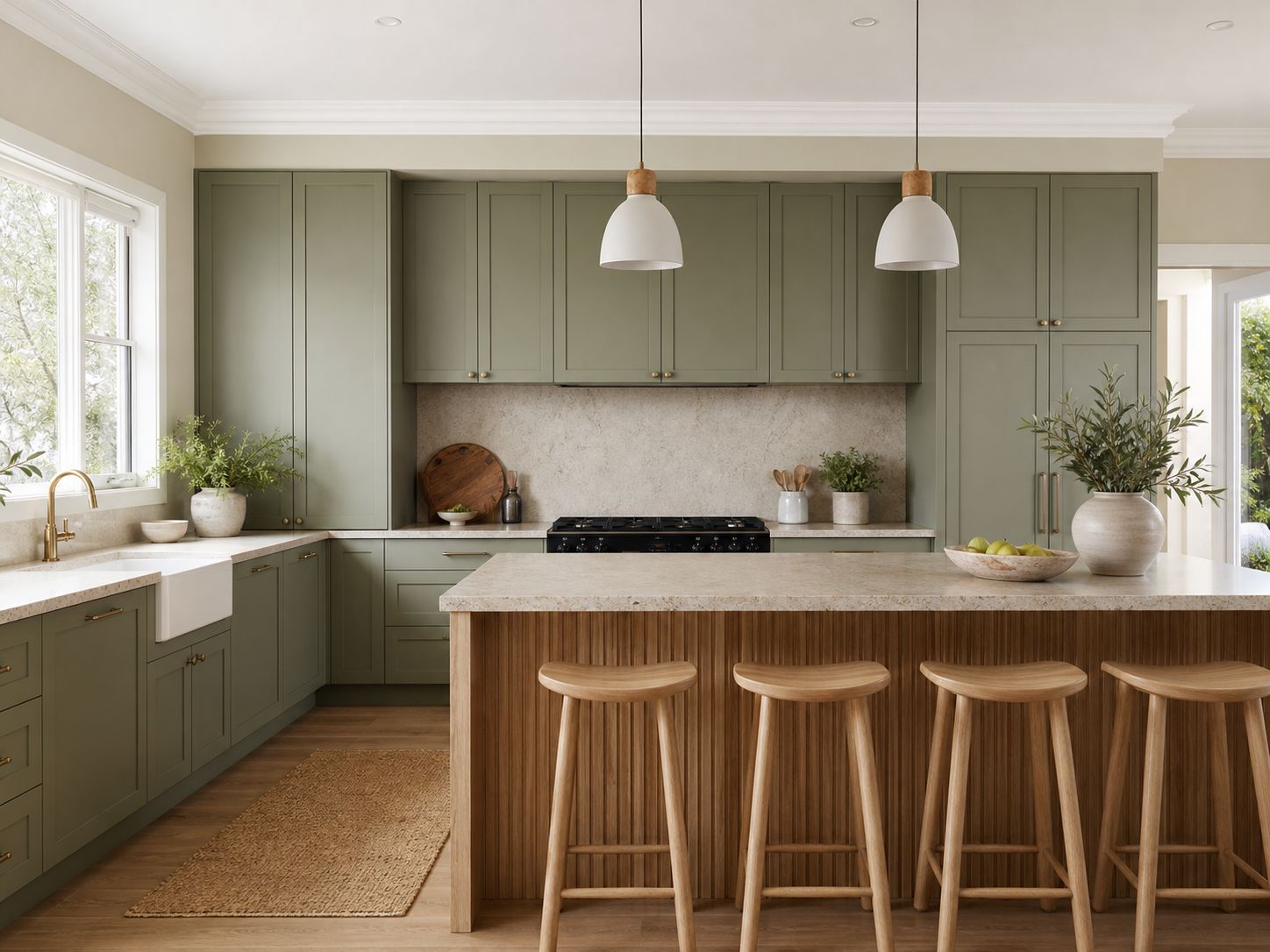
Cabinetry and benchtops are fixed finishes with strong undertones, and they are usually in the same line of sight as the walls. The key rules are:
- White cabinetry: the wall white should share its undertone, because mismatched whites in one view look dirty rather than fresh.
- Timber cabinetry: warm neutrals and muted greens usually sit comfortably, while very cool colours can look disconnected.
- Dark cabinetry: lighter walls balance the weight, and a similar-toned wall gives a deliberate, enveloping look.
- Stone benchtops and splashbacks: hold your samples against them, because veining and undertone vary widely.
How should furniture influence the wall colour?
Large pieces you are keeping, such as a sofa or a dining table, sit against the wall colour for years. If they lean warm, a wall that supports warmth keeps them looking natural. If they lean cool, a neutral wall prevents the room from feeling cold. Furniture is easier to change than floors and cabinets, so treat it as the least fixed element, but don't ignore it.
What if the floors or cabinets will change later?
If you plan to replace flooring or cabinetry, choose the new materials first and paint afterwards, or choose a wall colour neutral enough to suit several options. Painting before a renovation often means painting twice. If floors or cabinetry will change, ask interior painters Geelong to schedule the repaint after the renovation, not before.
How do I test the combination?
- Bring the samples to the room.Paint a patch about 50 cm square and place it beside the floor and cabinet edge.
- View in daylight and lamp light.The undertone relationship can shift at night.
- Compare two candidates.Place a warm and a cool-leaning option side by side.
- Photograph and look again.A photo can reveal an undertone clash your eye has adapted to.
If you are searching for painters near me to help with the final call, ask whether they will bring samples to your floors and cabinets during the quote visit.
Where does a painter's advice help?
When the floors, cabinets and furniture all lean in different directions, a neutral third party helps. Our wall finishes guide covers preparation and sheens. Colour consultation is included with every quote for interior house painting Geelong, and we advise on the room's light, how it is used and your existing fixtures.