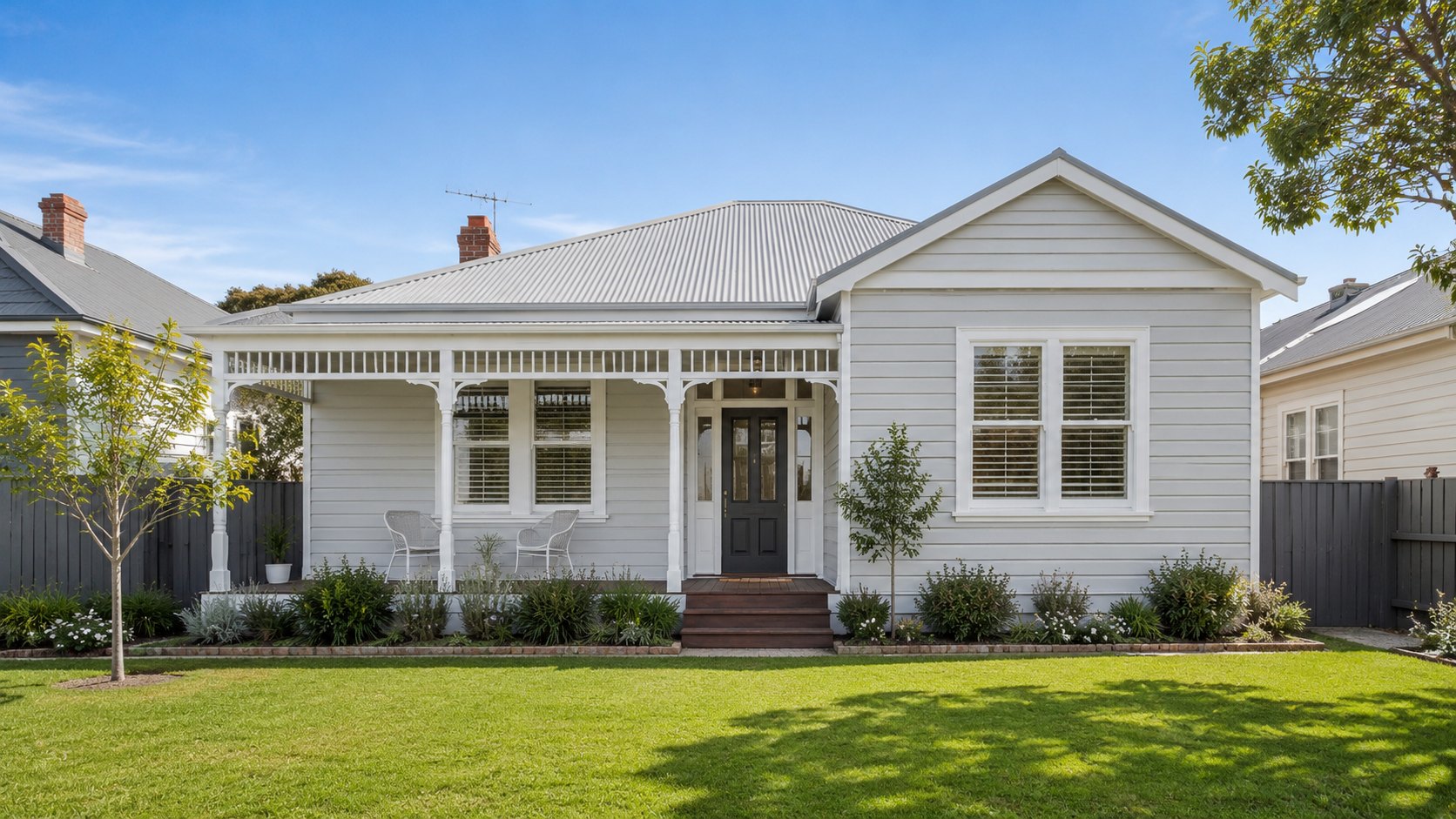
What experienced weatherboard painters Geelong homeowners trust actually do differently — the paint system that holds up long-term on weatherboard exterior painting jobs, the technique that avoids a bumpy or streaky finish, and the honest question to ask before you spend a cent: is this board worth repainting, or does it need restoration first?
Should Weatherboards Be Replaced or Painted?
Before prep, primer or paint brand, there's a more useful question — one most guides skip entirely, and one our professional weatherboard painting services always ask on-site before quoting. If your weatherboard is sound underneath and the paint is simply old, faded or chalky, repainting is straightforward and worth every dollar. But if boards are soft, crumbling, or the paint is lifting in sheets rather than flaking at the surface, you may be looking at rot — and painting over rot doesn't fix it, it just hides it for a year or two before the problem reappears, usually worse.
The good news: replacing a handful of damaged boards before a repaint is a normal, inexpensive part of the job — not a sign the whole exterior needs replacing. Full weatherboard replacement is rarely justified unless rot is widespread across multiple walls. This applies to most Geelong homes: house painting Belmont jobs on post-war weatherboard streets follow the same logic as weatherboard painting Newtown homeowners request for their older, character-heavy cottages closer to the heritage strip — a proper repaint with a few board replacements is the right call for both, not a full re-clad. This partial-repair-plus-repaint approach is what most weatherboard restoration painters actually do in practice — full re-cladding is the exception, not the rule.
Whether you call it weatherboard house painting, weatherboard repainting, or just painting weatherboard homes, the process and the decision points below are the same — and they're what separates exterior painters for weatherboard homes who know the substrate from a generalist who's just applying a standard wall paint to timber.
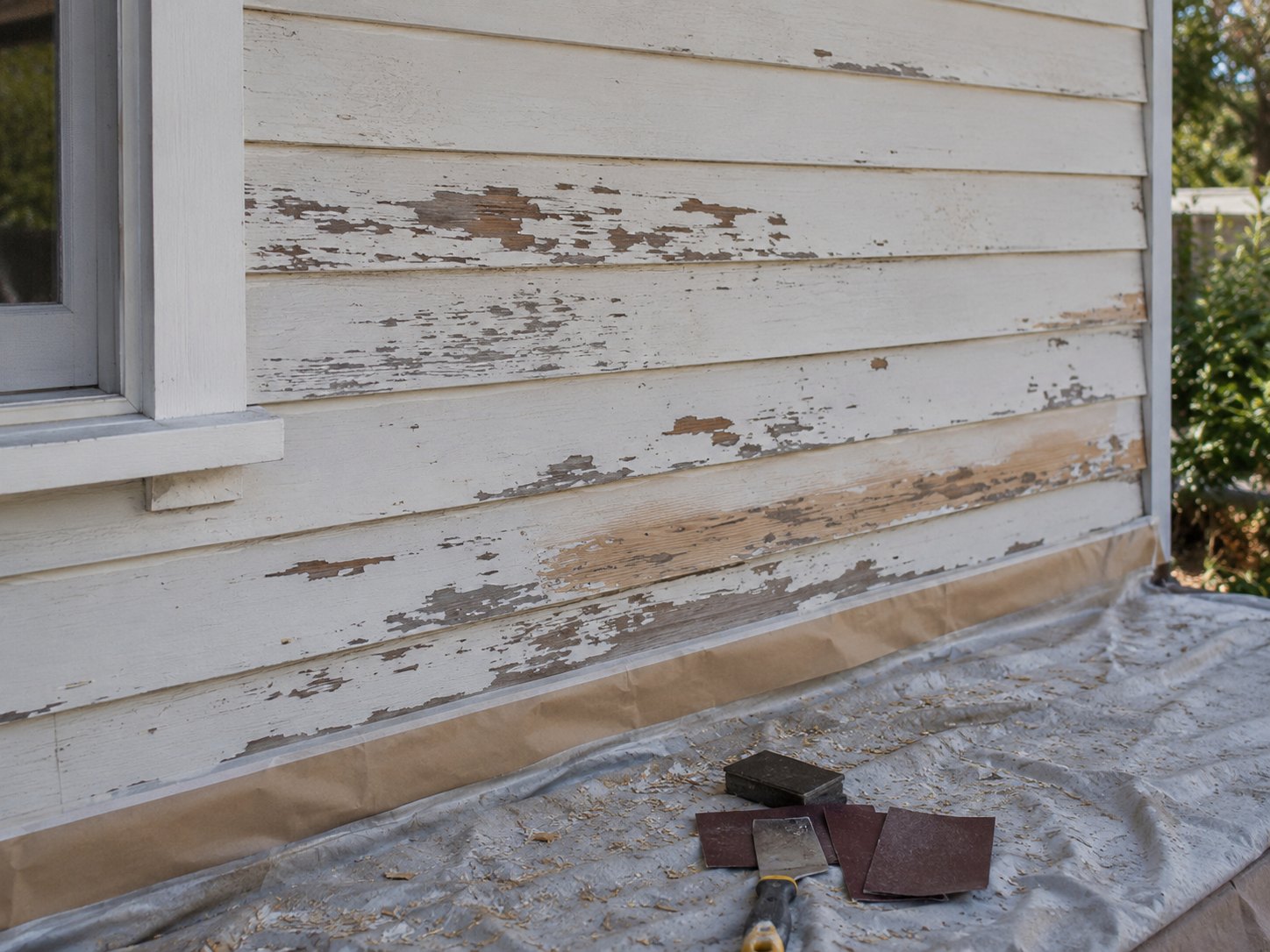
How to Prepare Weatherboards Before Painting
Weatherboard punishes shortcuts more than almost any other exterior surface, because horizontal board joins and overlaps are exactly where water gets in if surface preparation is rushed. It's the step that matters most across residential painting generally, but weatherboard is less forgiving of it than most substrates. Proper preparation means:
- Scrape and sand back all loose, flaking or peeling paint back to a sound edge — feathering the edge so the new paint doesn't show a visible ridge.
- Replace or repair damaged boards before priming, not after. Painting over soft or rotten timber wastes paint and hides a problem that will resurface.
- Spot-prime all bare timber with an oil-based (or high-quality water-based) timber primer. Bare wood left unprimed absorbs moisture unevenly and causes the top coat to fail early.
- Caulk the gaps — between board overlaps, around windows, and at end joins — with a flexible, paintable exterior caulk. This is the single most-skipped step in DIY weatherboard jobs, and the one that causes the most callback repairs.
- Wash down the full surface to remove dust, cobwebs, and chalky residue from old paint before priming — paint won't bond properly to a dirty surface.
Choosing a Paint System for Weatherboard
The best paint for weatherboard houses in Victoria's climate is a quality 100% acrylic exterior membrane paint over an oil-based timber primer. Acrylic membrane systems — Dulux Weathershield being the most common in Geelong — flex with the timber as it expands and contracts through the seasons, which is exactly what prevents the cracking and peeling that rigid, cheaper paints suffer within a few years.
Is It Worth Paying More for Premium Paint?
This comes up constantly, and the honest answer is: usually, yes — but not always by as much as premium pricing suggests. Dulux Weathershield, Taubmans All Weather, and Porter's Paints all perform well on weatherboard when applied over correct prep; the biggest performance differences show up in UV resistance and flexibility over 8+ years, not in how the first coat looks. Where premium paint earns its price is coverage (fewer coats needed for full opacity) and colour retention in harsh, sun-exposed positions. If budget is tight, spending on proper prep matters more than the brand on the tin — a premium paint over poor prep will still fail early.
Gloss Level for Exterior Weatherboard
Low-sheen and satin paint finishes are the standard choice for exterior weatherboard in Australia — they hide the timber's natural grain and any minor surface imperfections better than gloss, while still shedding dirt and being easy to clean. Full gloss is occasionally used on heritage-style homes for a traditional look, but shows every surface flaw under direct sun.
Spray, Brush, or Roller?
All three methods can produce a good result on weatherboard — the debate mostly comes down to speed versus control. Spraying gives the fastest, most even coverage across a large wall area and gets into the overlap seams cleanly, but requires careful masking of windows, fixtures and neighbouring surfaces to control overspray. Brush and roller work is slower but gives more control around trims, eaves and tight corners, and is the more forgiving option for anyone painting their own home rather than a full crew. Many professional jobs use a hybrid approach: spray the broad wall runs, then brush-cut the edges, joins and trims for a clean, controlled finish.
Common Weatherboard Painting Problems (and What Causes Them)
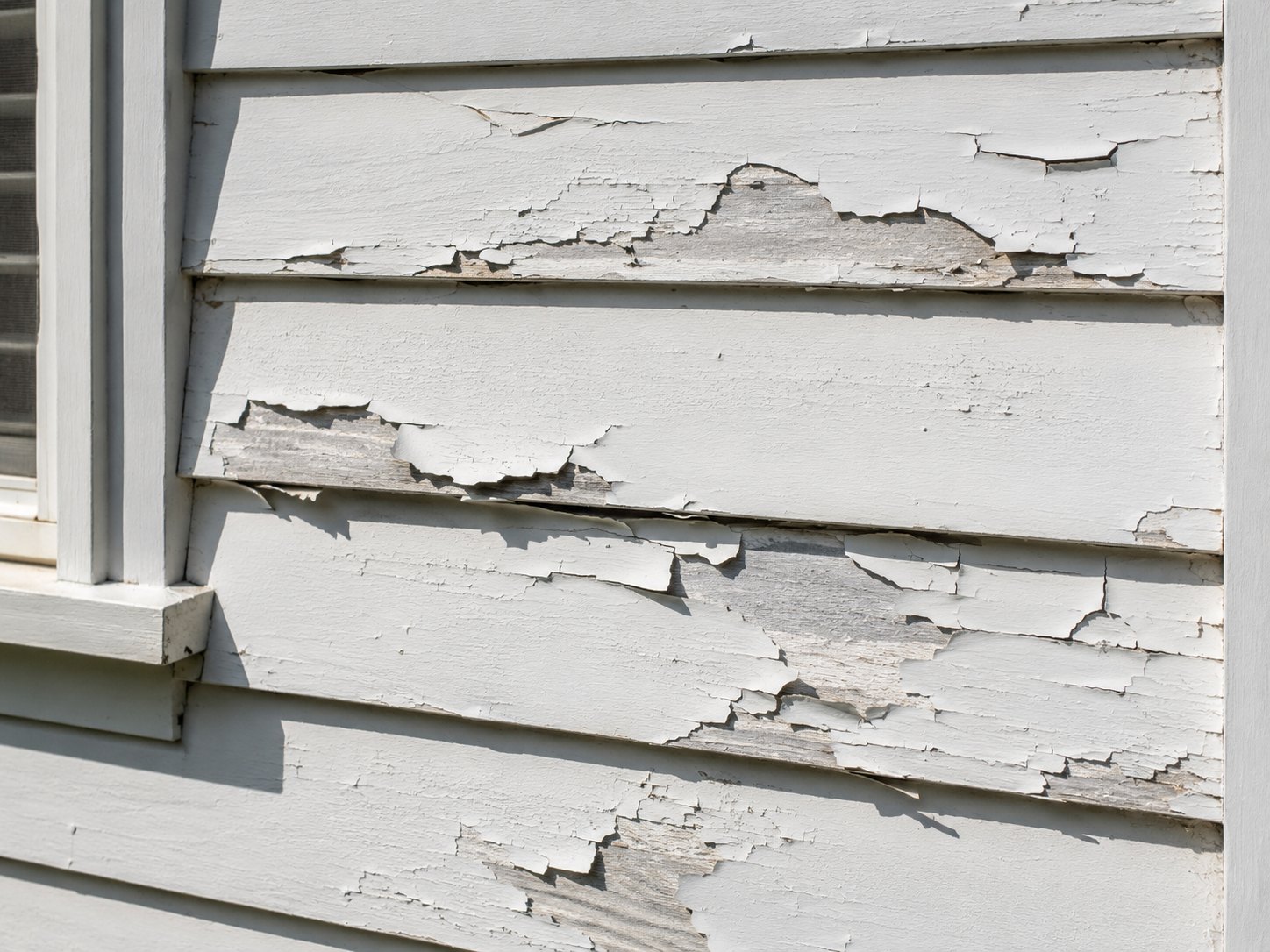
- Skipping primer on bare or repaired timber — the single biggest cause of early peeling.
- Painting over dirty, chalky, or contaminated surfaces — new paint won't bond properly.
- Moisture trapped behind the paint film — often from unsealed gaps, poor sub-floor ventilation, or sprinklers hitting the same section daily.
- Painting in unsuitable weather — direct hot sun, high humidity, or paint applied just before rain all compromise the finish.
- Using interior or lower-grade paint on an exterior surface — it simply isn't built to handle UV and weather cycling.
What Does Weatherboard Painting Cost in Geelong?
Weatherboard painting cost Geelong-wide typically runs $28–$42 per square metre, with a full single-storey home landing between $8,000 and $13,000. The wide range mostly comes down to how much scraping, sanding, and board repair the existing surface needs — family homes repainted on schedule cost meaningfully less than one with years of paint failure to strip back first. See our House Painters Geelong service page for what's included, or the full exterior painting cost guide →