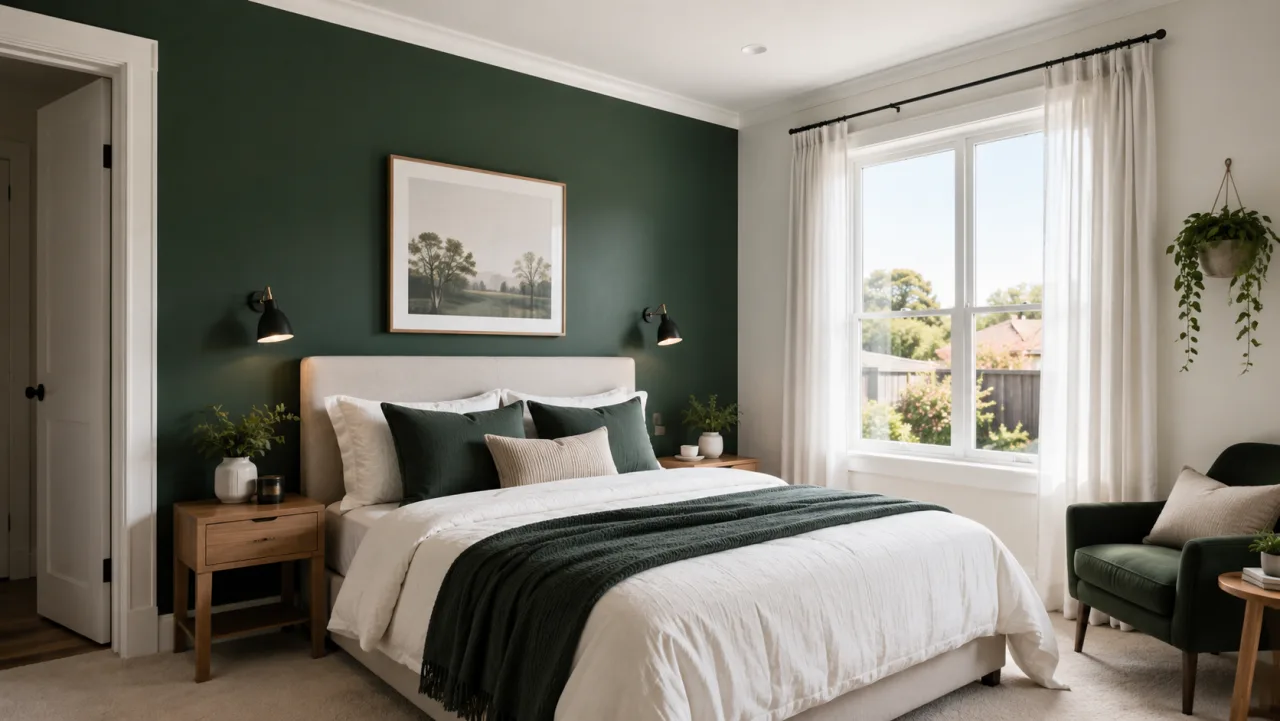
A feature wall is the highest-impact, lowest-commitment move in interior decorating: one wall, one weekend's work (or a half-day for a professional), and a room that suddenly has a focal point. Done well, it adds depth and personality. Done badly — wrong wall, wrong colour, visible roller marks in a dark tone — it's the first thing everyone notices for the wrong reasons.
This guide covers how feature walls painting actually works: choosing the wall, choosing the colour, the finishes beyond flat colour, and the technique quirks of painting dark and bold tones. It's a companion to our interior wall painting service and part of the full interior house painting guide for Geelong.
Choosing the Right Wall (Most People Get This Wrong)
The feature wall should be the wall the room is naturally oriented toward — not just any blank wall. The reliable picks:
- Behind the bed in a bedroom — the headboard wall is the natural anchor
- Behind the TV or fireplace in a living room — where attention already goes
- The wall facing you as you enter a room or hallway — first impression real estate
- Behind the dining table — frames the gathering point
Walls to avoid: walls with large windows (the light fights the colour and the wall reads as fragments), walls broken up by multiple doors, and walls the room faces away from. An accent wall on a random side wall doesn't anchor anything — it just looks like you ran out of paint.
Choosing the Colour
The strongest feature walls in current Australian interiors come from a fairly consistent palette:
- Deep greens — forest, olive, eucalyptus tones; calm and very much at home in Australian light
- Navy and inky blues — the safest "bold" choice, works with timber, brass, and white trim alike
- Charcoal and soft black — sophisticated, makes art and shelving pop
- Warm earthy tones — terracotta, clay, ochre for warmth without darkness
- Dusty muted tones — sage, eucalyptus, blush for softer schemes
Two practical rules. First, pull the colour from something already in the room — a rug, artwork, or cushion — so the wall looks intentional rather than random. Second, test big: a deep colour on an A4 patch looks completely different from the same colour across four metres of wall. Paint the largest sample you can bear and live with it for a few days.
In the new estates around Armstrong Creek and Waurn Ponds, feature walls have become the standard way to break up open-plan builder-white interiors — a deep tone behind the entertainment unit or master bed adds architecture to rooms that have none.
Beyond Flat Colour: Feature Finishes
- Two-tone and half-wall painting — colour to a datum line (often around 1m or door height) with white above; adds interest while keeping rooms light
- Colour drenching — the modern evolution: the feature colour continues across the trim, door, and sometimes ceiling on that wall for an immersive, designerly effect (this is where the trim painting technique matters, since the trim takes enamel in the matching colour)
- Limewash and suede effects — soft, cloudy, textured finishes with genuine depth; very current, and genuinely technique-sensitive
- Geometric panels — taped shapes, arches, or framed colour blocks; affordable drama for kids' rooms and studies
- Murals and ombre blends — specialist work, but transformative in the right space
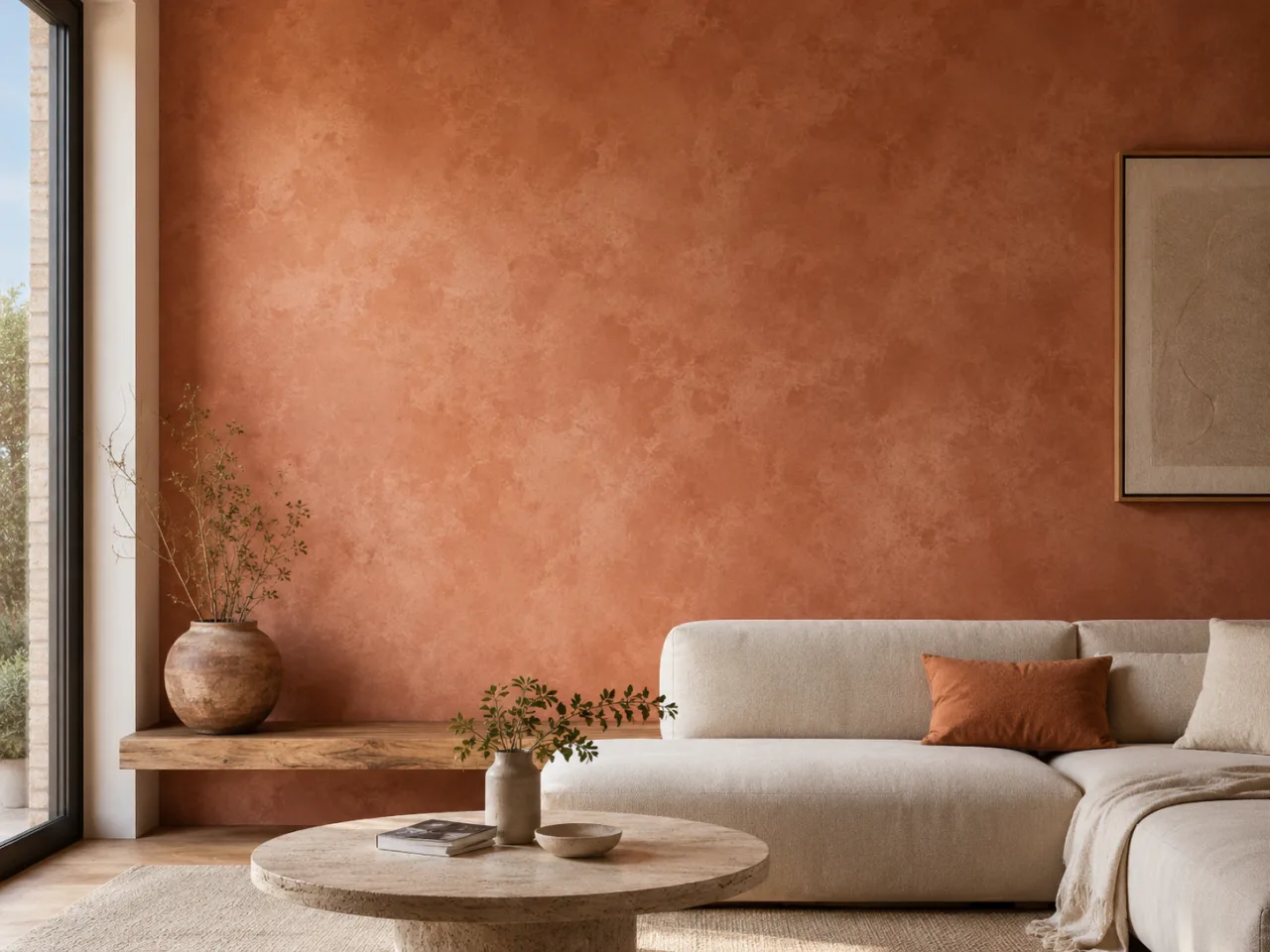
Textured and limewash finishes are the ones most worth handing to a professional — the charm is in the consistency of the mottling, and inconsistent application reads as a mistake rather than a finish.
The Technique: Why Dark Colours Are Harder
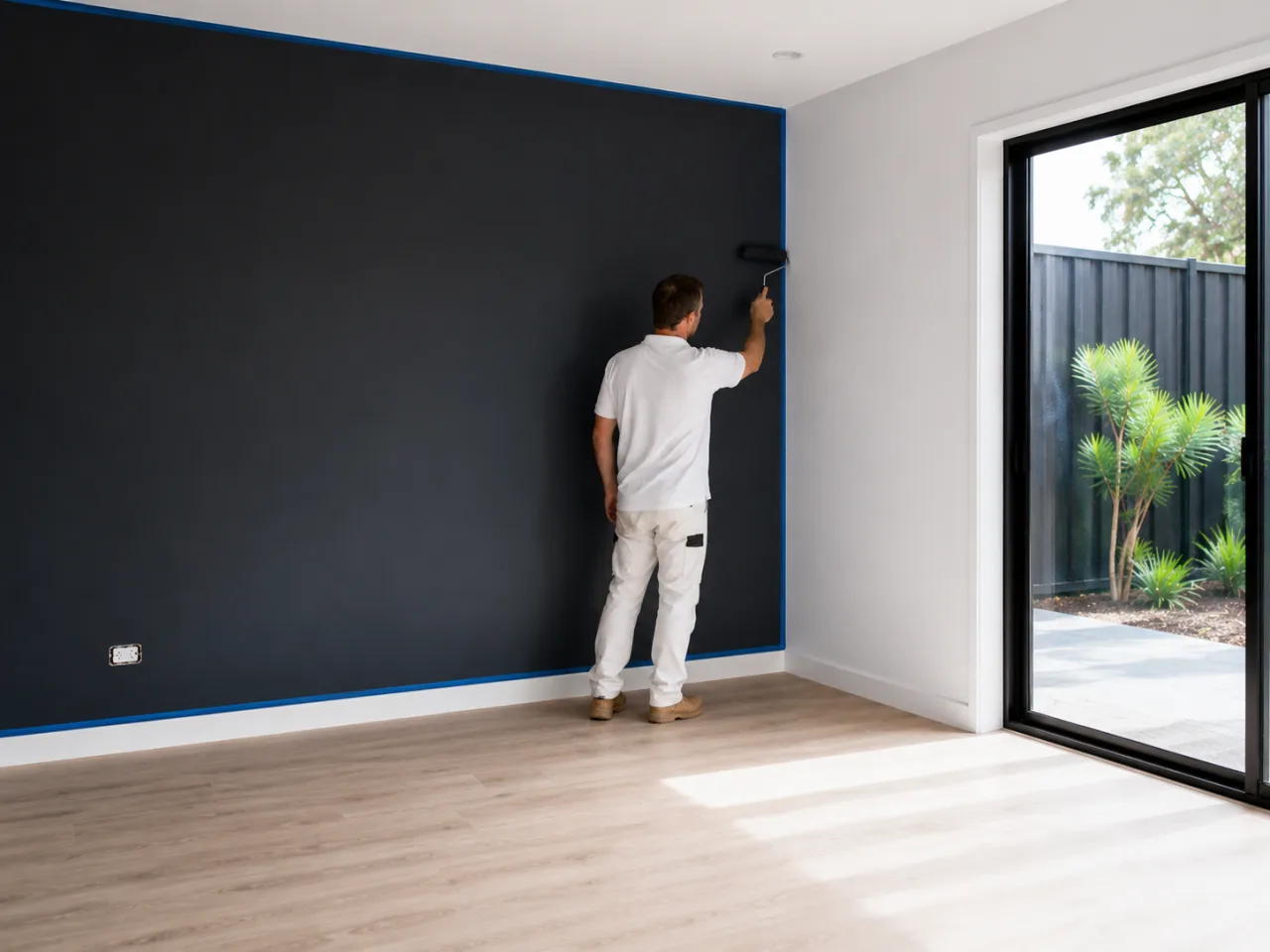
- Prime with a tinted undercoat. Going from white to deep green or navy without a grey-tinted primer means three or four top coats instead of two. Ask for the undercoat tinted to suit the top colour.
- Dark paint shows every lap mark. Keep a wet edge religiously, roll in consistent directions, and don't stop mid-wall. Sheen variation in a charcoal wall is visible from across the room.
- Cut the crispest lines of your life. The corner where a navy wall meets white walls is a high-contrast line — any wobble shows. Quality tape, pressed down firmly, removed while the final coat is slightly soft.
- Use low-sheen or matt. Deep colours look richest in flatter sheens; gloss on a dark wall turns into a mirror for every imperfection.
What Does a Feature Wall Cost in Geelong?
A professionally painted feature wall in the Geelong area typically costs $250–$700 in 2026, depending on wall size, the colour change involved (dark-over-light needs the tinted primer system), and any repairs. Specialty finishes — limewash, suede effects, two-tone designs, geometric work — generally run $500–$1,200+ because of the additional product and technique time. Added to a whole-room or whole-home repaint, a feature wall usually adds only a modest amount, since the prep and setup are already happening — see the full interior painting cost guide for how bundled pricing works.