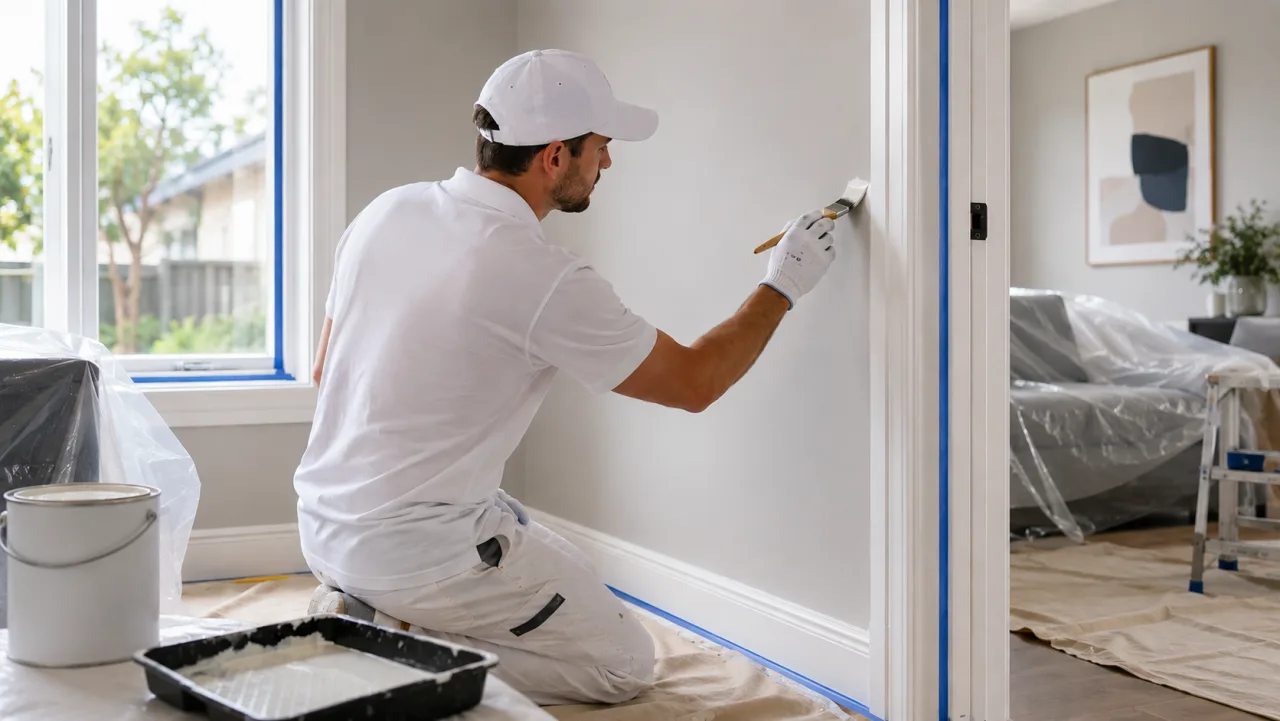
Hiring a painter feels simple until you collect three quotes for what sounds like the same job and they come back thousands of dollars apart. The difference between the best interior house painters in Geelong and the rest rarely shows up in the brushwork you see on day one — it shows up two years later, in whether the walls still look freshly done or have started to peel, flash, and crack at the edges.
This guide is about choosing well: how to read and compare quotes properly, the credentials that actually matter (and the one most people check that doesn't), the red flags that reliably predict bad work, and why the cheapest number on the page is so often the most expensive choice in the end. For the full picture on scope, process, and pricing, start with our complete interior house painting guide.
Start by Comparing the Right Things
Get three quotes. That's enough to see the genuine market range for your job without drowning in appointments. The mistake most people make is comparing only the bottom-line number — and a $4,500 quote and a $7,000 quote are almost never quoting the same job.
A quote worth comparing spells out:
- Preparation — how much, and what (washing, filling, sanding, caulking, spot-priming)
- Number of coats — two is standard; one is a corner being cut
- Paint brand and product line — not just "premium paint"
- Exactly which surfaces — walls only, or ceilings and trims too?
- Who supplies the paint — and whether it's trade-quality
Once quotes are itemised like this, the price differences usually explain themselves — and the cheapest quote often turns out to be quoting half the job.
Credentials That Actually Matter
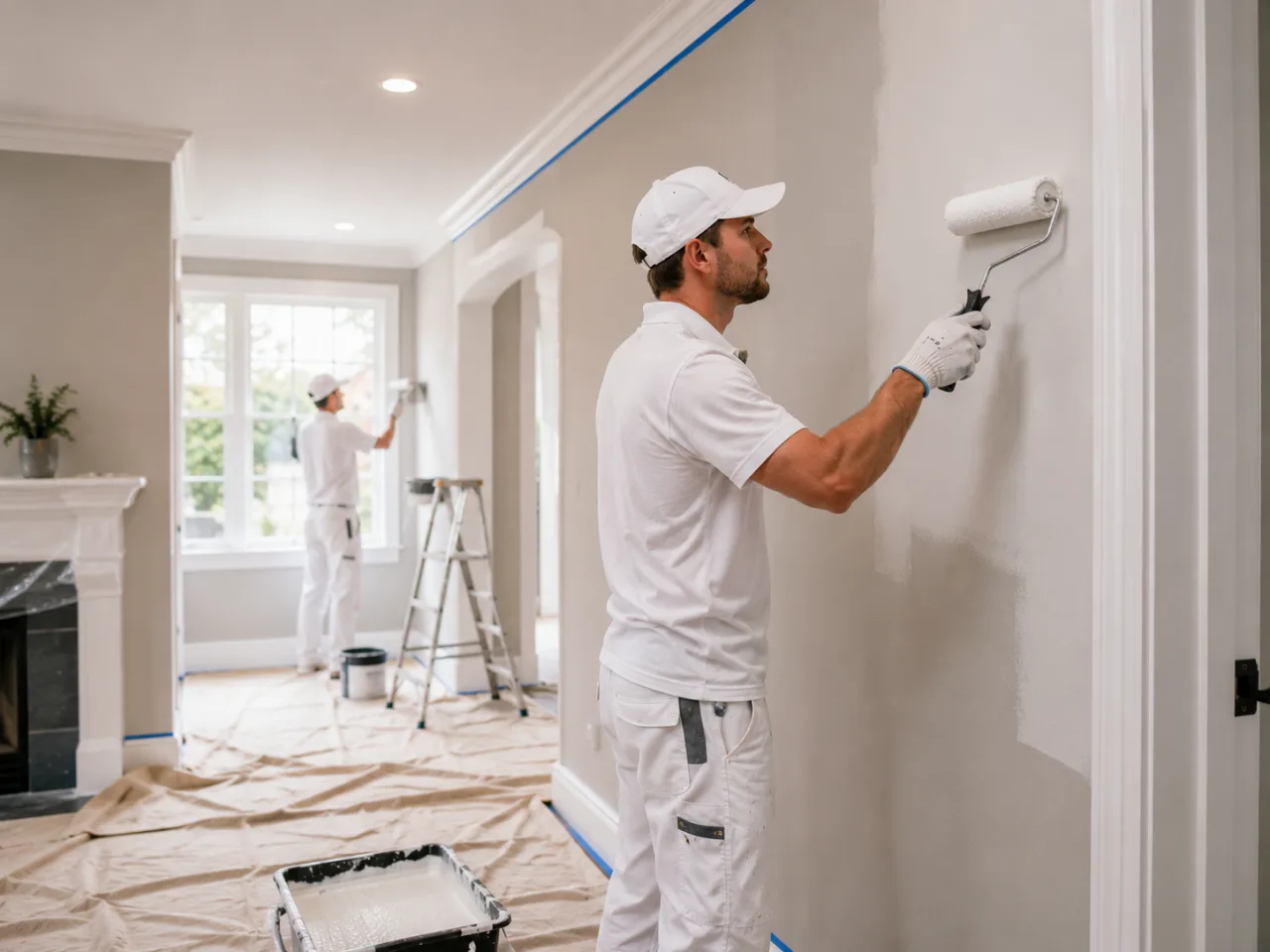
Here's the one most people get wrong: in Victoria, painting doesn't require a trade licence, so "licensed" tells you very little. What you actually want to verify is:
- Public liability insurance. Non-negotiable for anyone working in your home — ask to see the certificate.
- Verifiable local reviews and references. Google reviews, and ideally a reference for a job like yours.
- Genuine experience. Years on the tools show up in the prep and the problem-solving — handling cracked plaster, sealing water stains, or covering a dark colour without flashing.
- A local track record. Painters who know Geelong's housing stock — period plaster in Newtown and Highton, new builds in Armstrong Creek — give better product and colour advice because they've painted hundreds of homes like yours.
This is why it's usually worth paying more for an experienced painter: the premium buys preparation and finish quality that a cheaper, faster crew skips.
Why the Cheapest Quote Is Rarely the Most Affordable
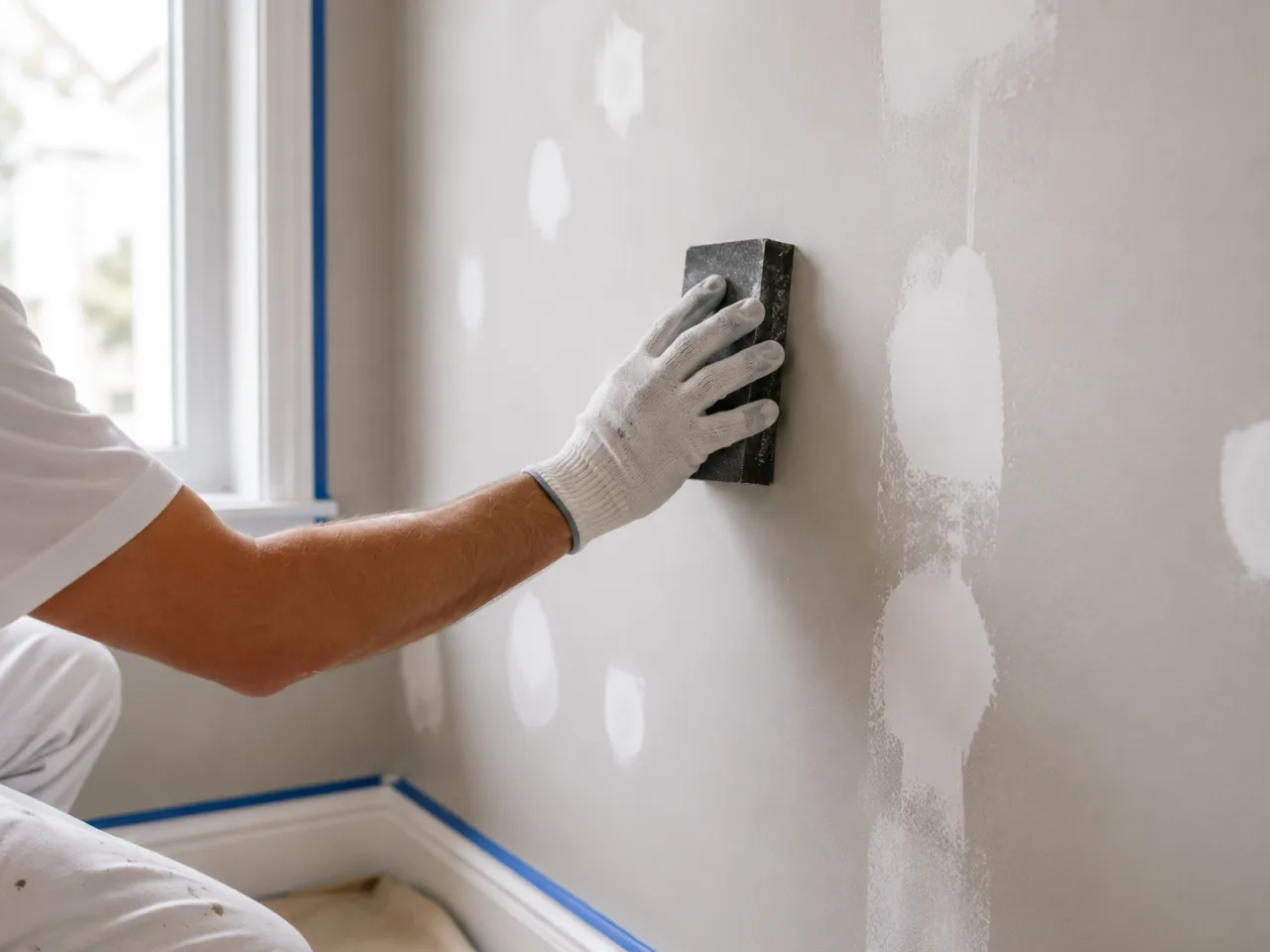
Around 60–70% of a quality interior paint job is preparation — and none of it is visible once the last coat is on. That makes prep the easiest place to quietly cut, which is exactly how a suspiciously low quote gets its number: skip the wash, do minimal filling, roll one coat instead of two, and use builder-grade paint.
It looks fine for a few months. Then the flashing appears, scuffs stop wiping clean, edges peel, and filler shows through. Now you're paying a second painter to strip and redo it properly — which means the cheap quote was the most expensive option all along.
"Affordable" isn't the lowest number on the page — it's the work that doesn't need redoing in two years. A fair, fully-itemised quote almost always beats the cheapest one on total cost of ownership.
Red Flags That Predict Bad Work
- No written, itemised quote. A verbal "around five grand" gives you nothing to hold them to.
- A large upfront deposit, or cash only. A 10–20% deposit is normal; demands for most of the money up front are not.
- No proof of insurance. If they can't produce a certificate, walk away.
- Unrealistic timelines. "Whole three-bedroom interior in a day" means preparation is being skipped.
- Vagueness on paint and coats. Won't name the brand, line, or number of coats? That's room to cut corners later.
- No reviews or references. Every established local painter has a trail you can check.
Questions to Ask Before You Sign
- What preparation is included, and is it itemised in the quote?
- How many coats, and what paint brand and product line?
- Which surfaces are covered — walls, ceilings, trims?
- Can I see your public liability insurance certificate?
- What's the deposit, and when is the balance due?
- What's the timeline, and who's actually doing the work?
- Do you handle clean-up, and is there a touch-up policy if something's missed?
The right painter will answer all of these without hesitation — clarity up front is itself one of the best signs of a professional.